

Autumn weather is upon us, and with winter on its way, now is the perfect time to prepare your landscape to withstand the colder months and begin planning for next summer.
Recently, Heritage completed a project for MUSC’s Sisters House that included installing our in-house processed mulch to conserve soil moisture, suppress weeds and regulate soil temperature. This protects plant roots from environmental damage and improves soil quality as it decomposes through the changing seasons.

Medical University of South Carolina Sisters House in Charleston, SC
These steps aren’t just routine maintenance, they are critical for protecting our clients’ landscapes and promoting long-term growth. Let’s look at why fall preparations are essential and how Heritage can help you create a sustainable, beautiful outdoor space for your commercial property.
The Need for Fall Commercial Landscaping Preparation
Fall offers an ideal window to prepare your commercial landscape for the challenges of winter. During this season temperatures are cooler and plants naturally focus on root development rather than top growth. Taking advantage of these conditions helps prepare your landscape for the harsh winter weather and upcoming summer heat.
Here’s how each step plays a vital role in fall landscaping preparation:
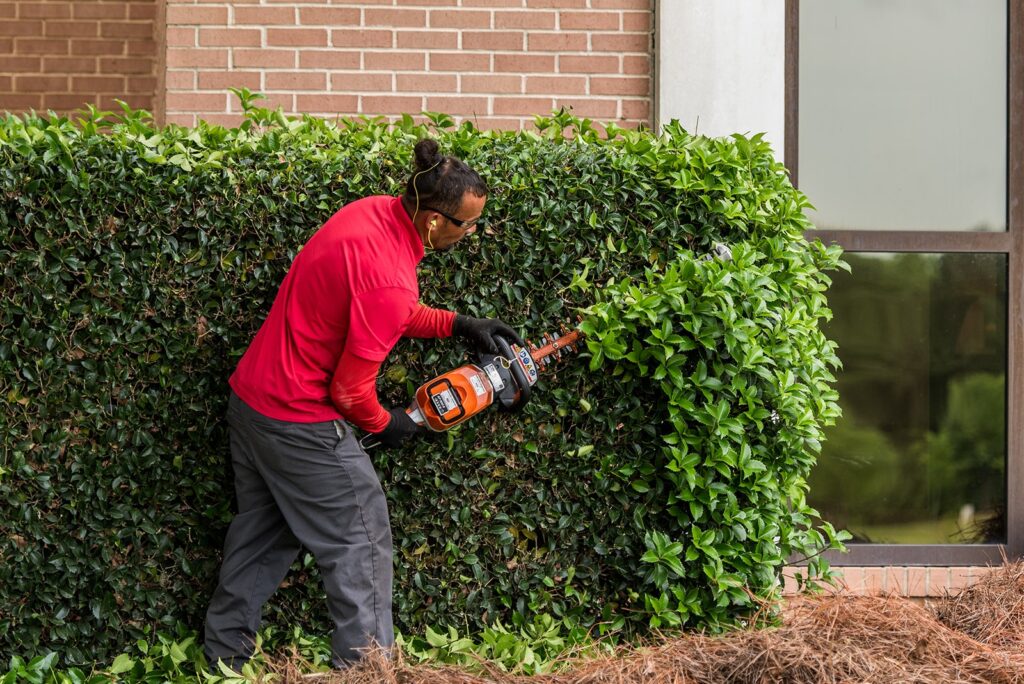
1. Pruning for Plant Health and Safety
Winter is the ideal time for structural pruning of trees and shrubs. Without the stress of summer heat or new growth, plants recover more easily from cuts.
- Remove dead, diseased, or crossing branches to promote healthy growth.
- Reduce storm risk by clearing weak limbs near buildings, parking lots, and walkways.
- Shape ornamentals before spring flush for a polished, professional appearance.
2. Mulching for Insulation and Appearance
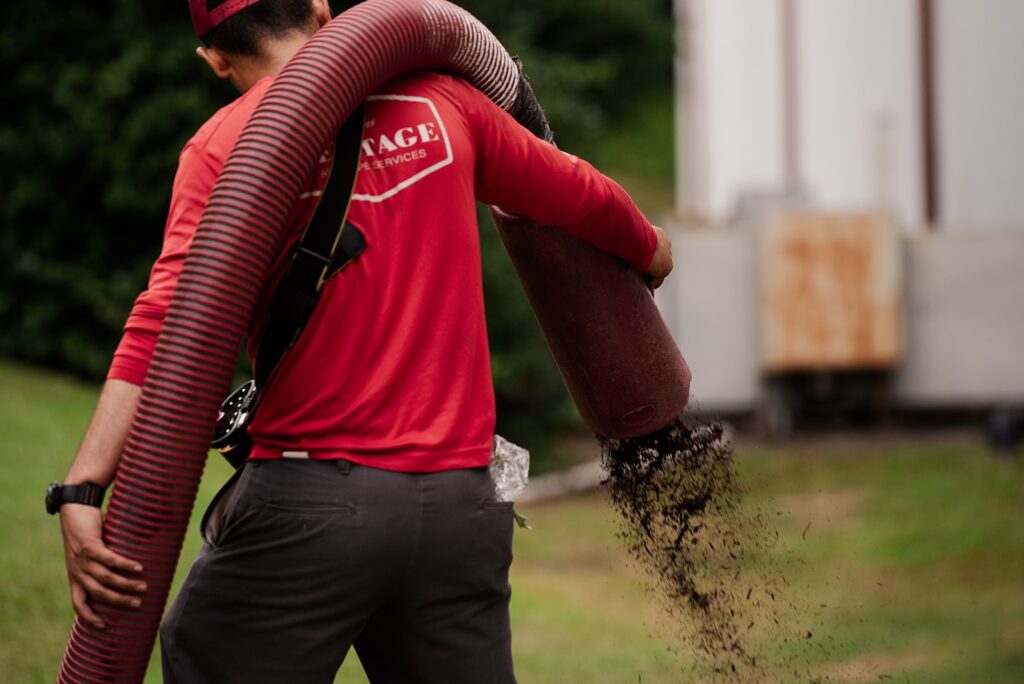
A fresh layer of mulch or pine straw doesn’t just look good — it protects plant roots from temperature swings and moisture loss.
- Apply 2–3 inches of mulch in beds to insulate roots and control winter weeds.
- Avoid piling mulch against trunks (“mulch volcanoes”) to prevent rot.
- Use this time to redefine bed edges and refresh the property’s appearance before spring traffic increases.
3. Irrigation and Drainage Checkups
Even when systems aren’t running full-time, winter is perfect for inspection and maintenance so that your system is in top shape for the upcoming summer. .
- Check for leaks, broken heads, and poor coverage zones.
- Test drainage areas and stormwater systems to ensure winter rains are flowing correctly.
- Plan repairs or upgrades now to avoid downtime during peak season.

4. Site Clean-Up and Detail Work
Winter provides the breathing room to tackle those detail items often postponed during busy months.
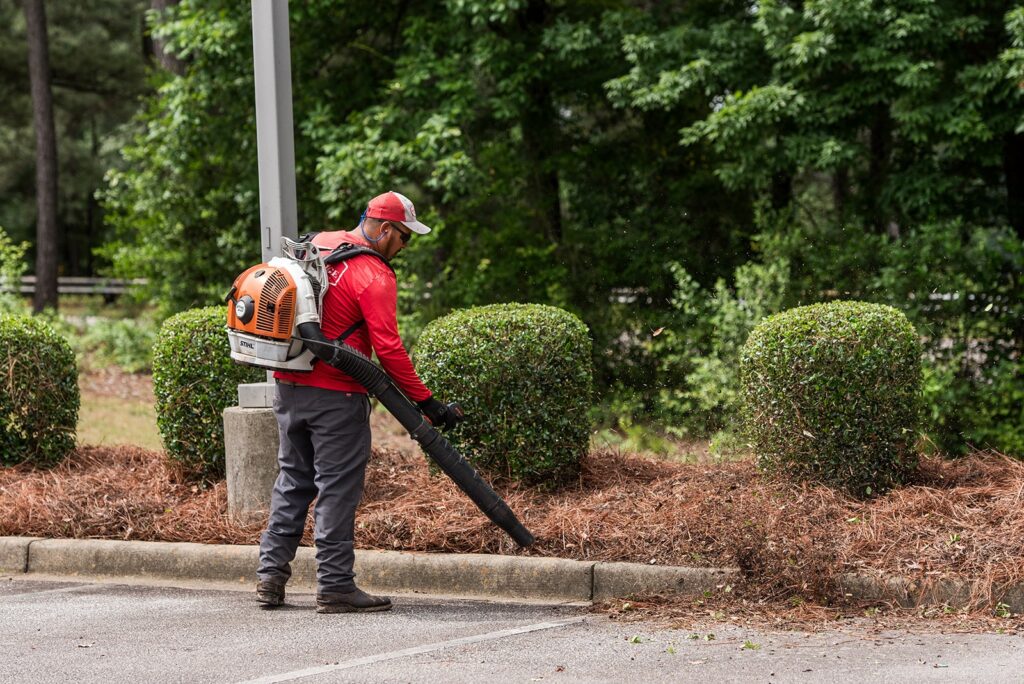
- Clear debris, leaves, and trash from turf and beds.
- Edge walkways, prune back perennials, and tidy hardscapes.
- Touch up parking lots and signage areas for a cleaner presentation.
These small touches signal professionalism and care to clients and tenants, even when plants are dormant.
5. Planning Spring Enhancements
Winter is the planning season. Heritage teams work closely with clients to identify opportunities for improvement:
- New installation projects or landscape renovations.
- Seasonal color and flower design.
- Sustainability upgrades like drought-tolerant planting or smart irrigation technology.
Taking time now ensures your spring projects are well-designed, budgeted, and ready to install as soon as weather allows.

Heritage: Your Partner for Quality Landscaping Services
As winter approaches, now is the time to prepare your landscape for the colder months ahead to set it up for long-term success.
👉Contact Heritage today to schedule a consultation and learn more about our fall landscaping services. Let us help you create a sustainable, beautiful outdoor space that thrives throughout the year.